
Hp M-7000 Media Center Pc User Manual
Content
HP M-7000 Media Center PC Review and User Manual
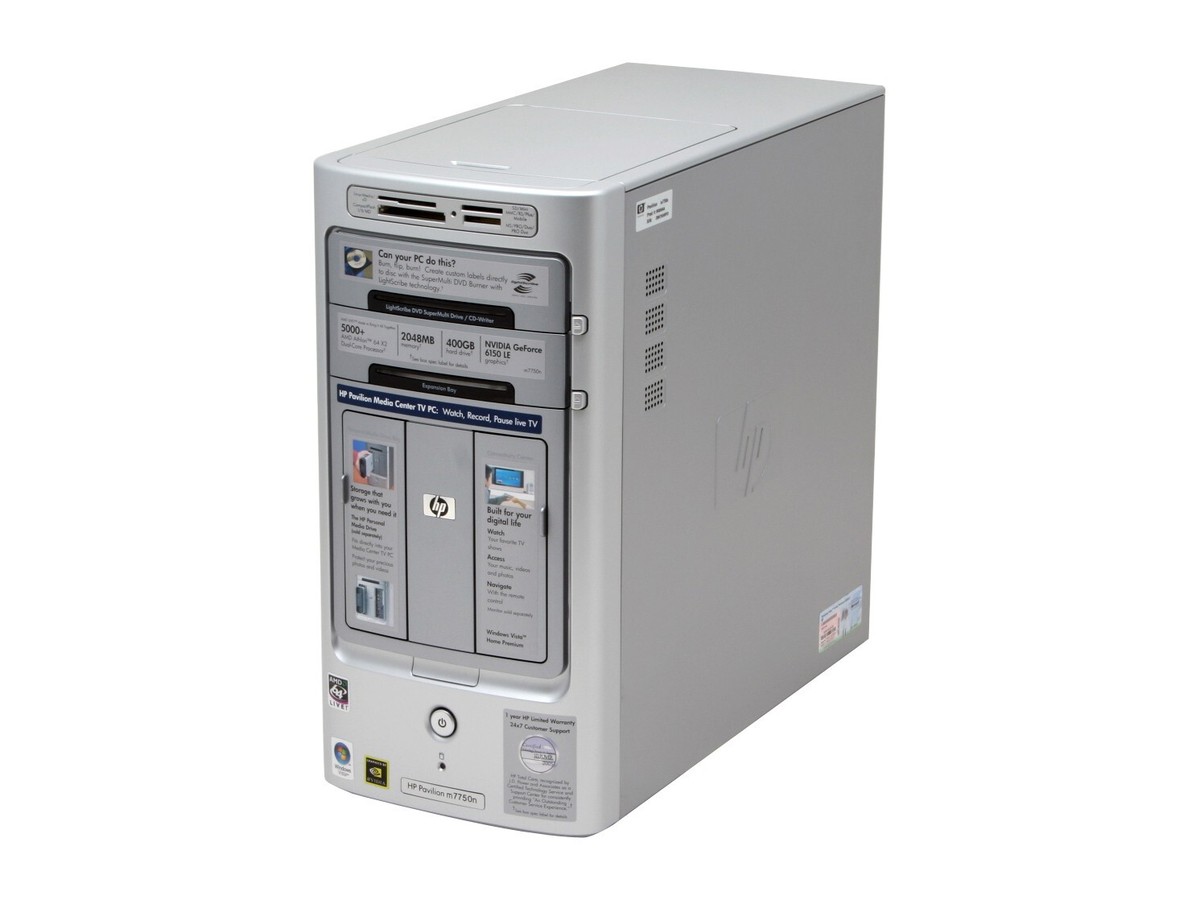
The hp M-7000 Media Center Pc is a classic home entertainment desktop built for users who want a single machine for TV playback, media storage, music, photos, and everyday computing. Designed during the Media Center era, it combines a desktop PC with multimedia features such as TV tuner support, integrated audio, wireless connectivity, and expansion options for larger storage or upgraded graphics. For families, hobbyists, and retro-PC collectors, it remains a practical example of an all-in-one media hub that can still be useful for legacy software, archived video, and basic office work.
One of the biggest advantages of the hp M-7000 Media Center Pc is its flexible hardware layout. Depending on the configuration, it may include an Intel Core 2 Duo or Pentium 4-class processor, DDR2 memory, SATA hard drive support, DVD writer, wireless networking, and front-panel media ports. Its Media Center software experience was originally aimed at users who wanted to watch live TV, pause and record shows, and manage digital content from the couch with a remote control. This made it especially attractive for home theater setups, secondary living-room PCs, and users who needed a capable multimedia desktop rather than a gaming system.
Today, the hp M-7000 Media Center Pc typically appears on the refurbished and used market, with prices often ranging from budget-friendly low-cost listings to higher prices for fully upgraded units in better condition. Availability is usually limited to resale marketplaces, surplus sellers, and collector channels rather than new retail stores. For buyers searching for a media center PC for light computing, retro use, or hardware restoration, it can still offer strong value if the power supply, motherboard, and storage devices are in good working order.
HP M-7000 Media Center PC Specifications and Key Features
- Processor options commonly include Intel Core 2 Duo E6400 2.1 GHz or similar desktop CPUs, with some earlier variants using Pentium 4 processors.
- Memory support is typically DDR2 SDRAM, with common configurations around 2 GB and upgrade potential up to 4 GB depending on the board layout.
- Storage support generally includes SATA hard drives, with common capacities in the 160 GB to 250 GB range and 7,200 rpm performance.
- Graphics may include ATI Radeon X1600 SE-class discrete graphics or comparable PCI Express x16 cards for multimedia output.
- Optical drive support often includes a DVD SuperMulti or DVD±RW drive for disc playback and recording.
- Connectivity usually includes Ethernet, Wi-Fi 802.11b/g, USB 2.0, FireWire, audio in/out, and front-panel media readers.
- Expansion capability includes PCI Express and DIMM slots for upgrades, making it more adaptable than many compact media boxes.
- Compared with a modern streaming device, the hp M-7000 Media Center Pc offers far more hardware expandability, but it is much larger, louder, and less power-efficient.
In benchmark terms, this system is best understood as a mid-2000s multimedia desktop rather than a high-performance machine. It is suitable for standard-definition or older HD media tasks, light productivity, and legacy software workloads. If you need modern 4K streaming, advanced gaming, or current-generation video editing, a newer mini PC or media streamer will outperform it by a wide margin.
HP M-7000 Media Center PC Troubleshooting Guide
Common issues on the hp M-7000 Media Center Pc often involve startup failures, overheating, missing display output, or broken media functions. If the system does not power on, check the power cable, rear switch, and power supply fan. If you hear repeated beeps or see no video, reseat the RAM, graphics card, and internal power connectors. A blank screen after boot can also indicate a failed GPU, dead CMOS battery, or incorrect monitor input selection.
Error codes on older HP desktops are often BIOS beep patterns rather than modern on-screen messages. A single repeating beep may point to memory problems, while multiple beeps can signal graphics or motherboard faults. If Media Center software cannot detect a TV tuner, reinstall the driver package and verify that the tuner is firmly seated. If the system freezes during video playback, clean dust from the fans, replace aging thermal paste if needed, and confirm that the hard drive is not failing.
Preventive maintenance is essential for older desktops: keep vents clear, replace worn drives proactively, and avoid using unstable power strips. Warranty coverage is usually limited or expired for most units of this age, so buyers should rely on seller return policies, third-party repair shops, or HP support documentation for guidance. For assistance, use HP’s official support portal, product manuals, or a local computer repair technician familiar with legacy desktop hardware.
Pros and Cons of the HP M-7000 Media Center PC
Pros
- Built for home entertainment, with strong media center functionality and TV tuner support.
- Upgradeable design with accessible RAM, storage, and expansion slots.
- Useful for retro computing, legacy Windows software, and archived media playback.
- Includes practical front and rear ports for USB, FireWire, audio, and card reading.
- Good value for users who find a well-maintained refurbished unit at a low price.
Cons
- Large tower design is not ideal for modern living rooms or compact desks.
- Older hardware draws more power and produces more noise than modern alternatives.
- Limited performance for current games, 4K streaming, and modern creative workloads.
- Aging parts such as hard drives, fans, and capacitors may require replacement.
- Better alternatives exist for users who want a quiet mini PC or streaming box.
For value for money, the hp M-7000 Media Center Pc makes sense mainly as a low-cost used purchase or restoration project. Compared with a modern streaming device, it is less convenient, but compared with other legacy media PCs, it offers stronger expandability and a richer port selection.
Customer Reviews of the HP M-7000 Media Center PC
Typical user feedback for the hp M-7000 Media Center Pc is mixed but generally positive among retro-PC enthusiasts. Many owners praise its solid build quality, flexible upgrade path, and nostalgic Media Center experience. Common ratings cluster around 4 out of 5 stars for users who bought a working, upgraded unit for media playback or legacy software.
Frequent complaints focus on fan noise, aging hard drives, and the difficulty of finding replacement parts. One common comment is that the system is “excellent for old TV recording and family photo storage, but too bulky for a modern desk.” Another user-style sentiment is that it is “a reliable media hub if you accept its age and limitations.” Buyers looking for a streaming-first setup usually prefer newer alternatives, while collectors and tinkerers often recommend it for restoration projects.
Should You Buy the HP M-7000 Media Center PC?
If you want a classic media PC for retro entertainment, local media playback, or hardware experimentation, the hp M-7000 Media Center Pc can still be a worthwhile buy. If your priority is quiet operation, modern software support, or 4K streaming, a newer compact PC will be a better choice.
Faqs
How do I set up the hp M-7000 Media Center Pc for the first time?
What should I do if my hp M-7000 Media Center Pc will not power on?
How can I improve the performance of my hp M-7000 Media Center Pc?
Is the hp M-7000 Media Center Pc compatible with modern TVs and home theater systems?
Why is my hp M-7000 Media Center Pc running hot or making unusual fan noise?
What media formats and features are most useful on the hp M-7000 Media Center Pc?
How do I troubleshoot display problems on the hp M-7000 Media Center Pc?
How should I maintain and clean the hp M-7000 Media Center Pc to extend its lifespan?
Leave a Comment