
Netgear Nighthawk Tri-band Mesh WiFi 6 System MR80 User Manual
Content
Netgear Nighthawk Tri-band Mesh WiFi 6 System MR80 Review and Product Manual
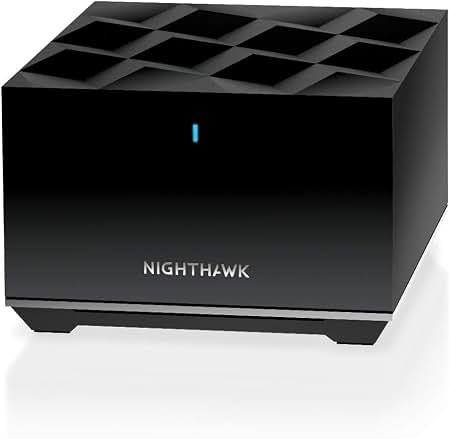
The Netgear Nighthawk Tri-band Mesh WiFi 6 System MR80 is a high-performance mesh networking solution designed to deliver fast, reliable whole-home coverage with the efficiency of WiFi 6. Built for households that stream 4K video, game online, work from home, and connect dozens of smart devices, the MR80 combines a tri-band wireless design with mesh roaming to reduce dead zones and maintain stable speeds across larger spaces. It is especially appealing to users who want a premium router and satellite setup without moving into enterprise-grade complexity.
As a mesh WiFi 6 system, the MR80 is well suited for medium to large homes, multi-floor layouts, and environments where one router alone cannot provide consistent coverage. The system supports modern connectivity needs with gigabit Ethernet ports, a compact design, and support for multiple wireless bands that help balance traffic across devices. The primary keyword, netgear Nighthawk Tri-band Mesh WiFi 6 System MR80, fits naturally into the product’s positioning because it reflects both the Nighthawk performance brand and the mesh architecture that defines the system.
Estimated availability is generally through major online retailers and networking resellers, with pricing that often varies based on whether the package includes only the router or a full router-and-satellite bundle. Typical market pricing can range from budget-friendly renewed units to midrange mesh system bundles, commonly landing around the lower-to-mid hundreds depending on condition, region, and included hardware. For buyers comparing it with other tri-band mesh WiFi 6 systems, the MR80 offers a strong balance of speed, coverage, and wired connectivity.
Specifications: Netgear Nighthawk Tri-band Mesh WiFi 6 System MR80 Technical Details
- Wireless standard: WiFi 6 (802.11ax) with tri-band architecture
- Frequency bands: 2.4 GHz and dual 5 GHz radios
- Maximum class: AX3600 class mesh system
- Wireless design: 2x2 on 2.4 GHz, 2x2 on one 5 GHz band, 3x3 on the second 5 GHz band
- Speed rating: Up to 3.6 Gbps combined theoretical throughput
- Ethernet ports on router: 1 gigabit WAN port and 3 gigabit LAN ports
- Ethernet ports on satellite: 2 gigabit LAN ports
- Router dimensions: 5.51 x 5.51 x 3.62 inches
- Router weight: approximately 1.4 lb
- Modem connection: standard Ethernet WAN input
- Power output: 12V, 2.5A DC
Performance is designed for smooth 4K streaming, low-latency gaming, and multi-device households. Compared with many dual-band mesh systems, the MR80’s tri-band layout can reduce congestion by separating traffic across more wireless lanes. Compared with more advanced premium mesh products, it focuses on straightforward setup and solid gigabit wired connectivity rather than advanced multi-gig or extensive smart-home features.
Detailed Description of the Netgear Nighthawk Tri-band Mesh WiFi 6 System MR80
The Netgear Nighthawk Tri-band Mesh WiFi 6 System MR80 works by combining a primary router with one or more mesh satellites to create a single, seamless wireless network throughout the home. Devices connect to the strongest available node automatically, helping maintain stable performance as users move from room to room. This reduces dropped connections and improves roaming behavior for phones, laptops, tablets, and smart TVs.
The tri-band design is the key strength of the system. One 2.4 GHz band handles long-range and low-bandwidth devices, while the two 5 GHz bands help distribute higher-speed traffic such as streaming boxes, consoles, and conferencing devices. In real-world use, this makes the system a strong fit for busy households where multiple family members are online at the same time.
The hardware has a compact, modern tower-style build with a clean black finish that blends easily into a home office, living room, or media center. The plastic chassis feels lightweight but practical, and the port layout supports both wireless and wired use cases. Users who prefer Ethernet backhaul for gaming consoles, desktop PCs, or AV equipment will appreciate the extra LAN ports on both router and satellite units.
Setup Guide: How to Install the Netgear Nighthawk Tri-band Mesh WiFi 6 System MR80
- Place the router near your modem in a central, open location with good airflow.
- Disconnect power from the modem, then connect the modem to the MR80 WAN port using an Ethernet cable.
- Reconnect power to the modem and wait for it to fully boot.
- Plug in the MR80 router and wait for the status light to indicate readiness.
- Use the Nighthawk app or web interface to follow the guided setup process.
- Add the satellite by placing it halfway between the router and the weak-signal area.
- Pair the satellite with the router using the app or sync process until the connection becomes stable.
- Test coverage in key rooms and reposition the satellite if needed for better signal strength.
Configuration options typically include changing the WiFi name and password, enabling guest access, and reviewing connected devices. For best results, avoid placing the router inside cabinets, behind televisions, or near heavy interference sources such as microwaves and cordless phone bases. Safety precautions include keeping ventilation openings clear and using only the included or approved power adapter. If the satellite does not connect, power-cycle both devices and move them closer together before attempting pairing again.
Troubleshooting the Netgear Nighthawk Tri-band Mesh WiFi 6 System MR80
- No internet connection: Check the Ethernet cable between the modem and WAN port, then restart the modem and router in that order.
- Satellite not syncing: Move the satellite closer to the router, reset it if needed, and repeat the pairing process.
- Slow speeds: Test with a wired device, reduce interference, and confirm that the latest firmware is installed.
- Frequent disconnects: Reposition the router higher and more centrally, and avoid thick walls or metal obstacles.
- LED stays amber or white too long: Give the system several minutes to finish booting before restarting it.
Common mesh issues are usually related to placement, modem compatibility, or outdated firmware rather than hardware failure. Preventive measures include keeping firmware updated, using quality Ethernet cables, and spacing satellites correctly. Warranty coverage and official support are typically provided by Netgear through its support channels, knowledge base, and product documentation. Users who need help should consult the Nighthawk app, the online user manual, or the manufacturer’s support resources for guided diagnostics and replacement options.
Pros and Cons of the Netgear Nighthawk Tri-band Mesh WiFi 6 System MR80
Pros
- Tri-band WiFi 6 design helps improve performance in busy homes.
- Mesh coverage is ideal for eliminating dead zones in multi-room layouts.
- Gigabit Ethernet ports on both router and satellite support wired devices.
- Good fit for streaming, gaming, and remote work.
- Compact design is easy to place in living areas and offices.
Cons
- No multi-gig Ethernet ports, which may limit future-proofing for some users.
- Advanced users may want more customization than the basic setup offers.
- Coverage and performance depend heavily on satellite placement.
- Value for money is best when purchased as a complete system bundle.
Compared with cheaper dual-band mesh systems, the MR80 offers stronger traffic handling and better performance under load. Compared with premium WiFi 6E or WiFi 7 alternatives, it is more affordable but lacks the newest frequency bands. For most households, the netgear Nighthawk Tri-band Mesh WiFi 6 System MR80 delivers a balanced mix of speed, stability, and ease of use.
Customer Reviews: What Users Say About the Netgear Nighthawk Tri-band Mesh WiFi 6 System MR80
Customer feedback for the MR80 is generally positive, with many users praising its simple setup, strong whole-home coverage, and reliable performance for streaming and gaming. A common rating pattern is around 4 out of 5 stars, especially among buyers who wanted to replace weak router coverage with a straightforward mesh system.
Typical praise includes stable connections, easy satellite placement, and noticeable improvement in dead zones. Common complaints focus on limited advanced features, occasional sync issues during setup, and the fact that performance depends on home layout. One satisfied user might describe it as “a clean, no-fuss upgrade that finally fixed the upstairs WiFi,” while a more critical review may note that “the system works well, but only after careful satellite placement.”
For shoppers seeking dependable WiFi 6 mesh coverage without complicated configuration, the MR80 is a recommended buy. It is especially attractive for families, remote workers, and streaming-heavy households that want better coverage than a standalone router can provide.
Faqs
How do I set up the netgear Nighthawk Tri-band Mesh WiFi 6 System MR80 for the first time?
What should I do if my netgear Nighthawk Tri-band Mesh WiFi 6 System MR80 is not connecting to the internet?
How can I improve WiFi coverage and speed on the netgear Nighthawk Tri-band Mesh WiFi 6 System MR80?
Is the netgear Nighthawk Tri-band Mesh WiFi 6 System MR80 compatible with older WiFi devices?
How many devices can the netgear Nighthawk Tri-band Mesh WiFi 6 System MR80 handle at once?
Why does my netgear Nighthawk Tri-band Mesh WiFi 6 System MR80 satellite keep dropping connection?
What Ethernet ports and wired options are available on the netgear Nighthawk Tri-band Mesh WiFi 6 System MR80?
How should I maintain and update the netgear Nighthawk Tri-band Mesh WiFi 6 System MR80 for best performance?
More netgear manuals
- Netgear MP101 Digital Music Player User Manual
- Netgear RBE371 Dual-Band Mesh WiFi 7 System User Manual
- Netgear Nighthawk Tri-band Mesh WiFi 6E System MR90 User Manual
- Netgear Nighthawk Mesh WiFi 6 System MK62 User Manual
- Netgear Nighthawk Ultra-High Speed Modem CM2050V User Manual
- Netgear WAC564 Insight Instant Mesh Multi-Mode Access Point User Manual
Leave a Comment